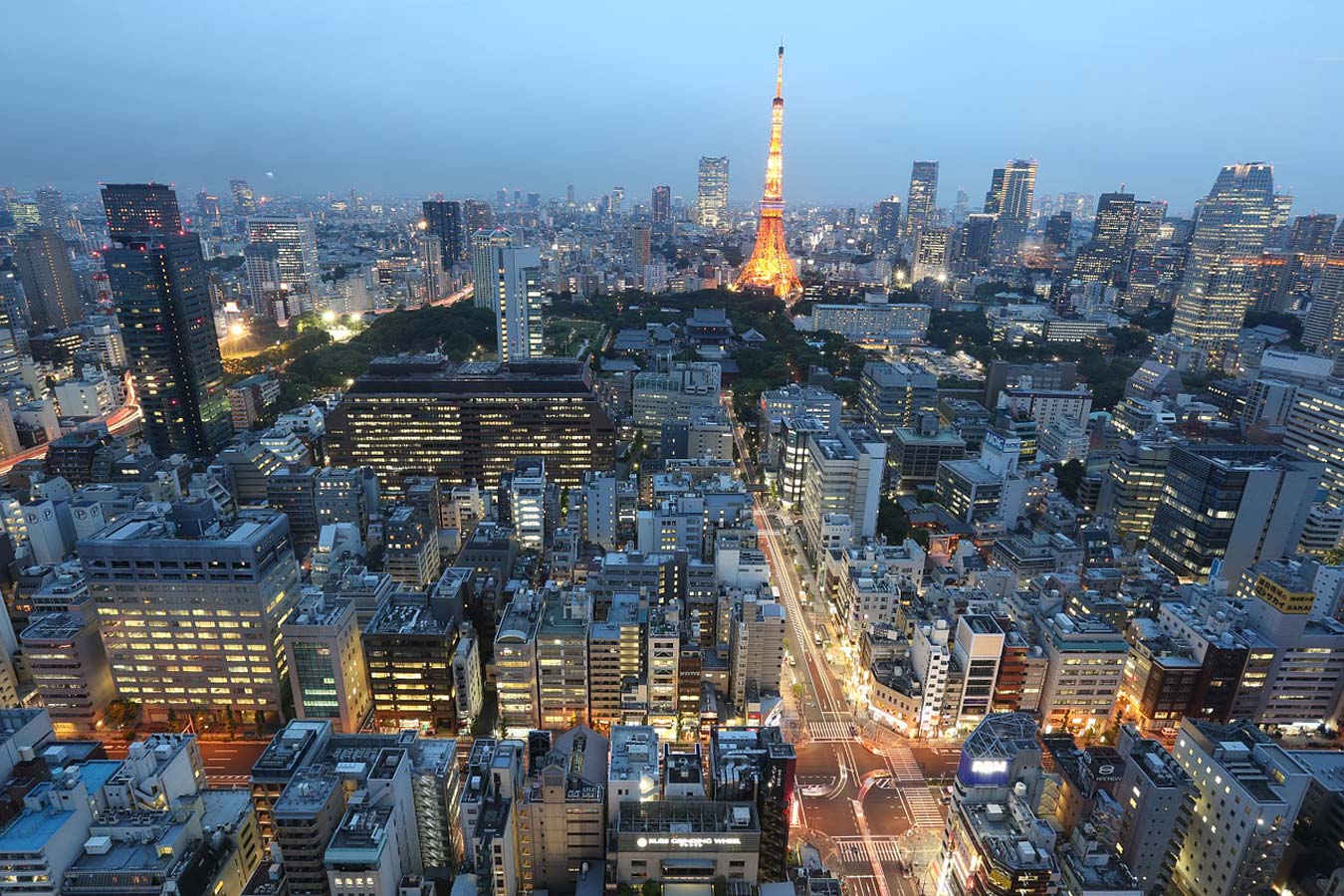

- Modern architecture finds inspiration in the allure of a sky crown design
- The Evolution of Architectural Terminals
- Material Considerations and Engineering Challenges
- The Role of Lighting and Illumination
- Integrating Sustainable Lighting Practices
- The Influence of Cultural Context
- Reflecting Local Heritage in Design
- The Future of Skyward Architectural Statements
- Beyond Aesthetics: Practical Applications
Modern architecture finds inspiration in the allure of a sky crown design
The allure of innovative architectural designs continues to shape the skylines of modern cities, and a particularly captivating trend is the incorporation of what can be described as a “sky crown” aesthetic. This isn't necessarily a literal crown, but rather a thoughtful and artistic culmination of a building’s form, often manifesting as a unique and visually striking top structure. It’s about creating a memorable silhouette, a defining feature that elevates a building beyond mere functionality and into the realm of art. The design often plays with light, space, and materials to deliver a spectacle.
These architectural elements are employed to signify prestige, innovation, and a dedication to aesthetic excellence. Developers and architects are increasingly recognizing the value of such features not only for their visual impact but also for their potential to enhance a building’s brand identity and market value. The incorporation of ‘sky crown’ elements is a complex undertaking, requiring careful consideration of structural engineering, material science, and, of course, artistic vision. The resulting structures frequently become landmarks and symbols of their respective cities.
The Evolution of Architectural Terminals
Historically, the tops of buildings were often quite utilitarian, designed primarily for practical purposes such as housing mechanical equipment, water tanks, or providing access to the roof. However, as architectural styles evolved, so did the treatment of the building’s summit. The Gothic cathedrals, for example, featured elaborate spires and pinnacles that drew the eye upwards, symbolically connecting earth to heaven. The Art Deco movement of the early 20th century embraced geometric forms and luxurious materials, often culminating in stepped facades and ornamental crowns. These earlier examples laid the groundwork for the more contemporary “sky crown” designs we see today. The desire to create a memorable and visually arresting silhouette has always been a driving force in architecture, and the modern ‘sky crown’ is simply a new iteration of this enduring impulse. It’s a testament to humanity’s persistent need to create meaning and beauty in the built environment.
Material Considerations and Engineering Challenges
Creating a striking and structurally sound “sky crown” requires careful selection of materials and innovative engineering solutions. Lightweight materials such as high-strength steel, aluminum, and composite materials are often favored to minimize the load on the building’s structure. Glass and transparent materials are also frequently used to create a sense of lightness and openness, and to allow natural light to penetrate the upper levels of the building. However, these materials must be able to withstand extreme weather conditions, including high winds, heavy rain, and temperature fluctuations. Engineers must also consider factors such as seismic activity and the potential for corrosion. The cost of these materials and the complexity of the engineering required can be significant, but the resulting aesthetic and functional benefits often outweigh the investment.
| Material | Advantages | Disadvantages |
|---|---|---|
| High-Strength Steel | Durability, strength, versatility | Weight, potential for corrosion |
| Aluminum | Lightweight, corrosion resistance | Lower strength compared to steel |
| Composite Materials | High strength-to-weight ratio, design flexibility | Cost, potential for environmental concerns |
| Glass | Aesthetics, natural light | Fragility, thermal properties |
The table above highlights key considerations for materials used in “sky crown” construction. Balancing these pros and cons is crucial for a successful project. Beyond material choice, the integration of services – like lighting, communications equipment, and potentially even aerial walkways – within the crown structure adds another layer of complexity requiring close collaboration between architects and engineers.
The Role of Lighting and Illumination
Lighting plays an absolutely crucial role in accentuating the beauty of a “sky crown” design, particularly during the evening hours. Strategically placed lighting can highlight the form and texture of the structure, creating a dramatic and captivating visual effect. LED lighting is increasingly popular for its energy efficiency, long lifespan, and ability to produce a wide range of colors and effects. Dynamic lighting systems can be programmed to create changing patterns and displays, adding a sense of movement and excitement to the skyline. The careful consideration of light pollution is also vital; designers must strive to minimize glare and ensure that the lighting does not disrupt the surrounding environment. Well-executed lighting can transform a ‘sky crown’ from a simple architectural feature into a true work of art.
Integrating Sustainable Lighting Practices
Sustainable lighting practices are becoming increasingly important in architectural design, and ‘sky crowns’ are no exception. Utilizing energy-efficient LED fixtures, incorporating daylight sensors, and optimizing lighting controls can all help to reduce energy consumption and minimize environmental impact. Furthermore, the use of materials with high reflectivity can help to maximize the effectiveness of the lighting, reducing the need for excessive illumination. Smart lighting systems can also be programmed to adjust the brightness and color temperature of the lights based on occupancy and ambient light levels, further enhancing energy efficiency. Incorporating these practices demonstrates a commitment to environmental responsibility and can contribute to a building’s overall sustainability rating.
- Reduce energy consumption through efficient LEDs.
- Implement daylight sensors for automated control.
- Utilize highly reflective materials.
- Program smart lighting systems for dynamic adjustments.
These elements combined create not only a visually stunning effect but also a responsible and environmentally conscious design. The integration of smart technology allows for constant optimization, ensuring minimal waste and maximum impact. The future of 'sky crown' design is inextricably linked to the advancement of sustainable building practices.
The Influence of Cultural Context
The design of a “sky crown” is often influenced by the cultural context in which it is built. In some cultures, elaborate ornamentation and symbolism are favored, while in others, a more minimalist and understated approach is preferred. For example, a ‘sky crown’ in a Middle Eastern city might incorporate geometric patterns and Islamic motifs, while a ‘sky crown’ in a European city might draw inspiration from classical architecture and Renaissance art. The use of local materials and craftsmanship can also add a sense of authenticity and connection to the surrounding environment. Architects must be sensitive to the cultural nuances of the site and strive to create a design that is both visually appealing and culturally appropriate. An understanding of local traditions and beliefs is essential for creating a truly harmonious and integrated architectural statement.
Reflecting Local Heritage in Design
Incorporating elements of local heritage into a “sky crown” design can create a strong sense of place and identity. This could involve using traditional building materials, incorporating local artistic motifs, or referencing historical architectural styles. The aim is to create a design that is both modern and timeless, that respects the past while embracing the future. This approach can also help to foster a sense of civic pride and strengthen the connection between the building and the community. The thoughtful integration of cultural elements can elevate a ‘sky crown’ from a mere architectural feature to a powerful symbol of local identity and heritage.
- Research local architectural history.
- Identify relevant cultural motifs.
- Select appropriate building materials.
- Collaborate with local artisans.
These steps can guide architects in creating a ‘sky crown’ that truly reflects the spirit of its place. By honoring the past, designers can create structures that resonate with communities for generations to come. The success of such designs lies in a delicate balance between innovation and tradition.
The Future of Skyward Architectural Statements
The trend of incorporating “sky crown” designs is likely to continue as architects and developers seek to create increasingly distinctive and memorable buildings. Advances in materials science and engineering will enable the creation of even more complex and ambitious structures. We can expect to see more experimentation with innovative forms, dynamic lighting systems, and sustainable technologies. The integration of vertical gardens and green spaces into ‘sky crowns’ is also a growing trend, adding a touch of nature to the urban landscape. Furthermore, the use of parametric design tools and generative algorithms will allow architects to explore a wider range of design possibilities and optimize the performance of their structures. The future of skyward architectural statements is limited only by the imagination and ingenuity of those who create them.
As cities become more densely populated, the competition for visual prominence will intensify, driving architects to push the boundaries of design and create ever more spectacular “sky crown” features. These upper-level additions will become increasingly sophisticated, incorporating cutting-edge technologies and sustainable practices. The “sky crown” will evolve from a purely aesthetic element to a functional component, perhaps housing renewable energy systems, rainwater harvesting facilities, or even urban farms. The possibilities are vast, and the next generation of ‘sky crowns’ promises to be truly awe-inspiring.
Beyond Aesthetics: Practical Applications
While often appreciated for their visual grandeur, the core concept of a ‘sky crown’ extends beyond mere aesthetics. These upper structures are increasingly incorporated to serve functional purposes, adding significant value to buildings and the urban environment. One practical application gaining traction is the integration of renewable energy sources – solar panels discreetly shaped to follow the 'crown' design, maximizing energy capture. Another is utilizing the space for crucial infrastructure like telecommunications equipment, concealing it within an artistic facade. This clever integration alleviates ground-level strain and improves urban planning efficiency.
Moreover, “sky crown” designs can contribute to improved building performance. Careful placement and design can optimize natural ventilation, reducing reliance on mechanical systems. The feature can also act as a buffer zone, providing additional insulation and mitigating noise pollution from the surrounding environment. Ultimately, the thoughtful implementation of a ‘sky crown’ can transform a building into a more sustainable, functional, and visually appealing addition to the cityscape. These designs are not simply about reaching for the sky; they are about intelligently shaping the skyline for a better future.